Source Anti Freeze Aerosol Ice Melting Spray for Cars, Trucks, and Boats
Compare 30 verified listings for anti freeze aerosol ice melting spray designed for automotive and marine use. Buyers can evaluate specifications, pricing, and customization options from multiple suppliers in China; compare the available evidence and request quotations based on your requirements.
Key considerations
Products List


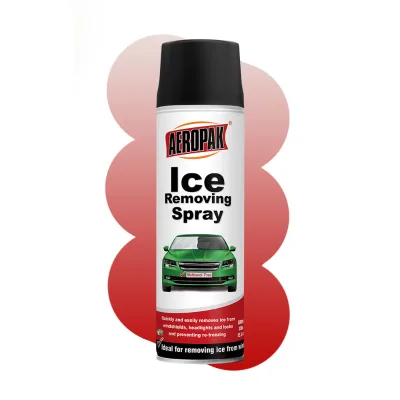
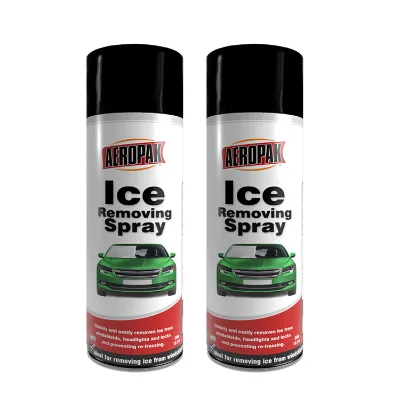
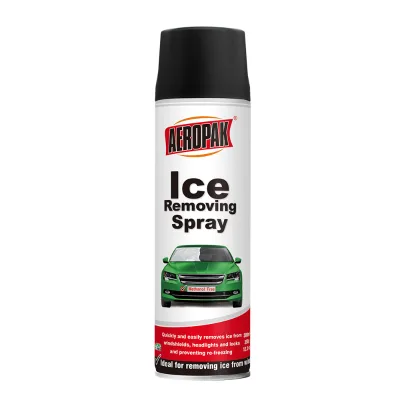
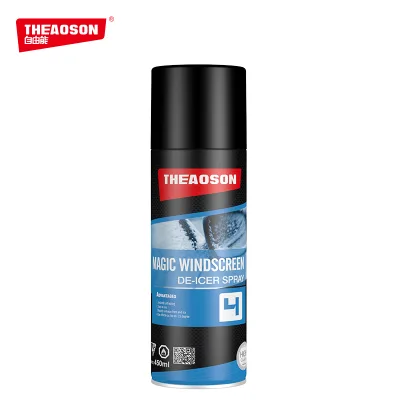


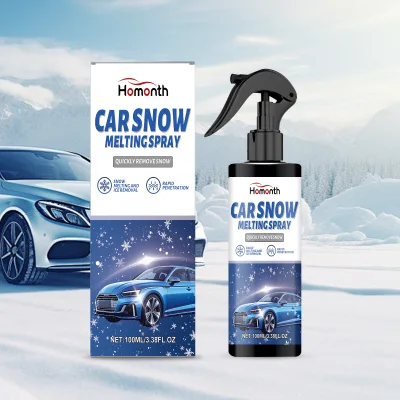
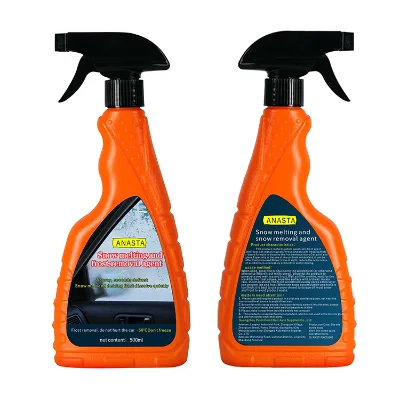
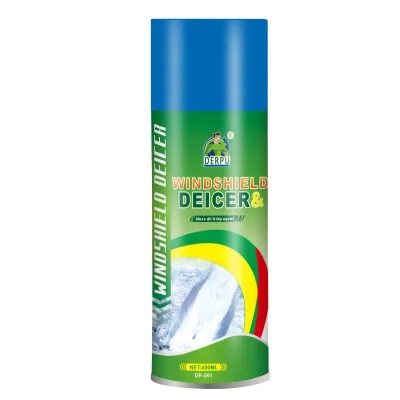
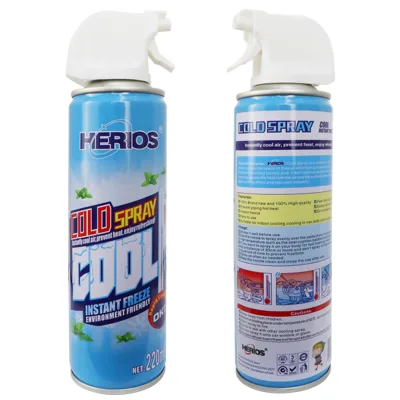


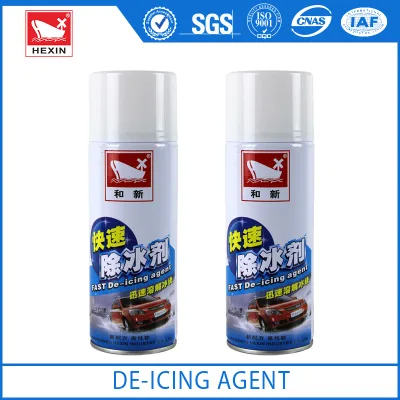

Comprehensive Sourcing Guide
Anti Freeze Aerosol Ice Melting Spray Sourcing Guide
Procuring anti-freeze aerosol ice melting spray requires a clear understanding of the product’s dual nature as both a chemical formulation and a pressurized container system. Buyers must distinguish between standard de-icing sprays designed for automotive windshields and specialized formulations for industrial equipment. The core keyword highlights a niche segment where rapid ice removal is critical, often in sub-zero environments. Sourcing decisions should prioritize suppliers who demonstrate expertise in both the chemical efficacy of the solvent and the mechanical reliability of the aerosol valve. This dual competency ensures that the product performs as advertised under extreme cold conditions without compromising the integrity of the canister or the spray mechanism.
The market for these products is characterized by a wide range of customization options, including OEM and ODM services. Buyers often seek specific branding, packaging designs, or proprietary chemical blends to differentiate their offerings. It is essential to verify whether the supplier can accommodate these customizations while maintaining consistent quality and safety standards. The presence of eco-friendly attributes in some listings suggests a growing demand for environmentally responsible formulations, which may influence regulatory compliance and consumer perception. Understanding these market dynamics helps buyers align their procurement strategy with current trends and regulatory expectations in the automotive and industrial maintenance sectors.
Product Scope and Observed Listing Signals
Current market listings reveal a diverse array of products categorized under anti-freeze and ice melting sprays, with observed price points ranging from $0.20 to $10.00 USD. This wide variance often reflects differences in net weight, gross weight, and the complexity of the chemical formulation. For instance, some products are listed with a net weight of 350g and a gross weight of 465g, while others may vary significantly. Buyers should carefully examine these physical specifications to ensure they align with their logistical requirements and end-user expectations. The presence of tinplate cans as a common packaging material indicates a standard industry practice for durability and pressure containment, which is crucial for aerosol products.
Observed minimum order quantities (MOQs) range from as low as 7 units to as high as 30,000 units, reflecting the flexibility of suppliers to serve both small-scale testers and large-volume distributors. Some listings highlight specific models, such as APK-8313 or APK-8382, which may correspond to distinct product lines or formulation types. Additionally, the availability of free samples is a notable signal, allowing buyers to test product efficacy before committing to larger orders. This practice is particularly valuable for verifying claims related to ice removal speed and safety on various surfaces. Buyers should leverage these signals to narrow down their supplier pool based on volume needs and quality verification requirements.
Technical Specifications to Verify
When evaluating technical specifications, buyers must prioritize the verification of the product’s pH level, as some listings indicate a basic pH for car cleaning chemicals, which may differ from specialized ice melting formulations. The shelf life is another critical parameter, with observed values of three years suggesting stable chemical formulations that maintain efficacy over time. Buyers should request detailed technical data sheets that outline the exact chemical composition, including active ingredients and solvents, to ensure compatibility with various surfaces such as glass, metal, and plastic. Understanding the specific function, such as removing ice, frost, and snow, is essential for matching the product to its intended use case.
Packaging specifications also play a vital role in product performance and logistics. The use of tinplate cans is common, with some listings specifying a capacity of 500ml or 400ml. Buyers should verify the single package dimensions and gross weight to calculate shipping costs and storage requirements accurately. For example, some products list a single gross weight of 12.000 kg, which may refer to the weight of a carton containing multiple units rather than a single can. Clarifying these details prevents misunderstandings during the ordering process and ensures that the final product meets the buyer’s logistical and operational standards.
Compliance and Safety Documentation
Compliance with safety standards is paramount for aerosol products, which are classified as hazardous materials due to their pressurized nature and flammable contents. Buyers must ensure that suppliers provide comprehensive safety data sheets (SDS) that detail handling, storage, and transportation requirements. While some listings mention eco-friendly attributes, buyers should verify the specific environmental certifications and regulatory compliance status in their target markets. The absence of explicit certification mentions in some listings does not imply non-compliance, but it necessitates proactive verification by the buyer to avoid regulatory issues.
Transportation regulations for aerosols are strict, requiring proper labeling and packaging to prevent accidents during shipping. Buyers should confirm that the supplier adheres to international standards for the transport of dangerous goods, such as those outlined in the UN Model Regulations. Additionally, the use of tinplate cans must meet specific pressure testing standards to ensure they can withstand internal pressure without leaking or bursting. Verifying these compliance aspects protects the buyer from legal liabilities and ensures the safe delivery of products to end-users.
Cost Drivers and Commercial Terms
Cost drivers for anti-freeze aerosol ice melting spray include the price of raw materials, such as solvents and propellants, as well as the cost of manufacturing and packaging. The use of tinplate cans and the complexity of the aerosol valve mechanism can significantly impact the final price. Buyers should analyze the cost structure to understand how changes in volume or customization requests affect the unit price. The observed price range of $0.20 to $10.00 USD suggests that economies of scale play a significant role in pricing, with larger orders typically benefiting from lower unit costs.
Commercial terms, including payment methods, lead times, and warranty policies, are also critical factors in procurement decisions. Buyers should negotiate clear terms that define responsibilities for quality issues, returns, and replacements. The availability of OEM and ODM services may incur additional costs, which should be factored into the total cost of ownership. Understanding these commercial dynamics helps buyers make informed decisions that balance cost efficiency with product quality and service reliability.
Supplier Qualification and Quality Control
Supplier qualification involves assessing the manufacturer’s production capabilities, quality control processes, and track record in the industry. Buyers should verify the supplier’s ability to maintain consistent product quality across batches, particularly for chemical formulations where slight variations can affect performance. Requesting references or case studies from previous clients can provide insights into the supplier’s reliability and professionalism. Additionally, buyers should inquire about the supplier’s quality control measures, such as in-process inspections and final product testing, to ensure that the products meet specified standards.
Quality control extends to the packaging and labeling of the products, which must be accurate and compliant with regulatory requirements. Buyers should verify that the supplier has robust procedures for checking net weight, gross weight, and packaging integrity. The availability of free samples allows buyers to conduct their own quality assessments, including performance testing in real-world conditions. Establishing a strong relationship with a qualified supplier ensures a steady supply of high-quality products and minimizes the risk of disruptions in the supply chain.
Long-Term Procurement Checks
Long-term procurement checks involve regular audits of supplier performance, product quality, and market trends. Buyers should establish key performance indicators (KPIs) to monitor supplier reliability, such as on-time delivery rates and defect rates. Regular communication with the supplier can help identify potential issues early and foster a collaborative relationship. Additionally, buyers should stay informed about changes in regulatory requirements and market demands that may impact the procurement strategy.
Continuous improvement is essential for maintaining a competitive edge in the market. Buyers should explore opportunities for product innovation, such as developing eco-friendly formulations or enhancing packaging designs. By staying proactive and adaptable, buyers can ensure that their procurement strategy remains aligned with business goals and customer expectations. Regular reviews of the supply chain and supplier performance help identify areas for improvement and drive long-term success in the procurement of anti-freeze aerosol ice melting spray.
FAQs
What is the shelf life of the anti freeze aerosol ice melting spray?
The product has a shelf life of 3 years when stored properly. This duration applies to the specific models like APK-8313 and APK-8382 which are designed for long-term storage stability in various conditions.
Can I request customization for the anti freeze aerosol ice melting spray?
Yes, customization is available for this product line. Buyers can utilize OEM and ODM services to tailor the packaging, branding, or specific formulation details to meet unique business requirements or regional standards.
What is the minimum order quantity for the anti freeze aerosol ice melting spray?
The minimum order quantity varies significantly depending on the specific supplier and model selected. Observed ranges start as low as 7 units for samples but can extend up to 30,000 pieces for bulk commercial orders.
How is the anti freeze aerosol ice melting spray packaged for shipping?
The product is typically packed in tinplate cans to ensure durability during transit. Bulk shipments often contain 24 pieces per carton, with specific gross weights recorded around 460 grams per single unit for logistics planning.
Where are the anti freeze aerosol ice melting spray manufacturers located?
Manufacturers are primarily located in China, with specific origins noted in Guangdong. This regional concentration supports efficient production and export logistics for international buyers seeking reliable supply chains for automotive care products.
What is the net weight of the anti freeze aerosol ice melting spray can?
The net weight varies by model, with observed values including 350 grams and 285 grams. These weights correspond to different volume capacities such as 500ml or 400ml depending on the specific product configuration selected.
Is the anti freeze aerosol ice melting spray eco-friendly?
Yes, the product is described as eco-friendly and environmentally friendly in its design. This attribute highlights the formulation's ability to remove ice and snow quickly without causing damage to surfaces or the environment.